
Your Health Unlocked Episodes
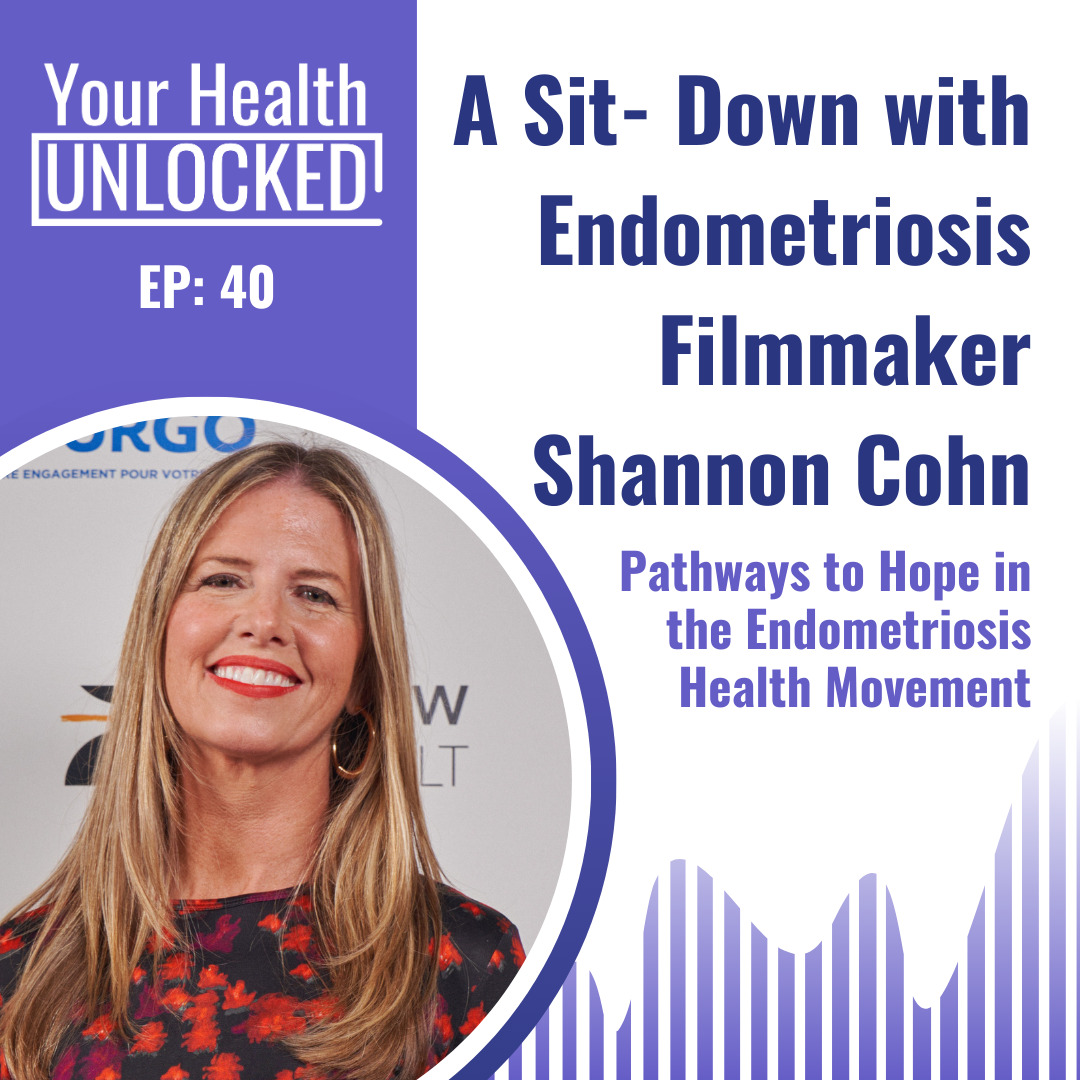
040: A Sit- Down with Endometriosis Filmmaker Shannon Cohn
March 5, 2024
---
Women’s Health FAQs
Publication Date: March 08, 2018
By: NWHN Staff
Updated 11/13/2023
Endometriosis is a condition in which tissue similar to the lining of the uterus grows outside the uterus, resulting in period pain and a shorter amount of time between cycles. In many cases, it can also cause excessive menstrual bleeding.
People with endometriosis experience menstrual pain when the tissue meant to line the uterus, becomes trapped outside of it, sticking to the ovaries and resulting in cysts called endometriomas. This pain often begins before normal period cramps and can also be accompanied by lower back pain. Many doctors prescribe hormonal birth control to patients to minimize discomfort.
The length of your menstrual cycle and how long your bleeding lasts can be affected. Since your body has more tissue to shed, your periods may last longer. The cycles between periods may become shorter, with menstruation beginning sooner than every 28 days. You may also experience bleeding and pain during ovulation.
Other symptoms include:
Endometriosis is often confused with Irritable Bowel Syndrome, and knowing the symptoms that differentiate the two is crucial. With endometriosis, the severity of the pain does not always indicate the severity of the condition. Everyone experiences this condition and its symptoms differently.
If you are experiencing these symptoms, you may want to consult with a gynecologist. To learn more about symptoms and causes of endometriosis, check out Women’s Health Magazine’s article here.
The information on this site is not intended or implied to be a substitute for professional medical advice, diagnosis, or treatment. All content, including text, graphics, images, and information on or available through this website, is for general information purposes only.
The continued availability of external resources is outside of the NWHN’s control. If the link you are looking for is broken, contact us at [email protected] to request more current citation information.