





Your Health Unlocked Episodes
043: Public Health and the Environmental Harms of Extractive Capitalism with Kelley Dennings
April 12, 2024
---

The best science, stories, and strategies related to this month’s national health themes. Check back throughout the month for new additions. In April the Network celebrates Black Maternal Health Week, Sexually Transmitted Infection (STI) Awareness Month, Sexual Assault Awareness & Prevention Month, and Minority Health Month.
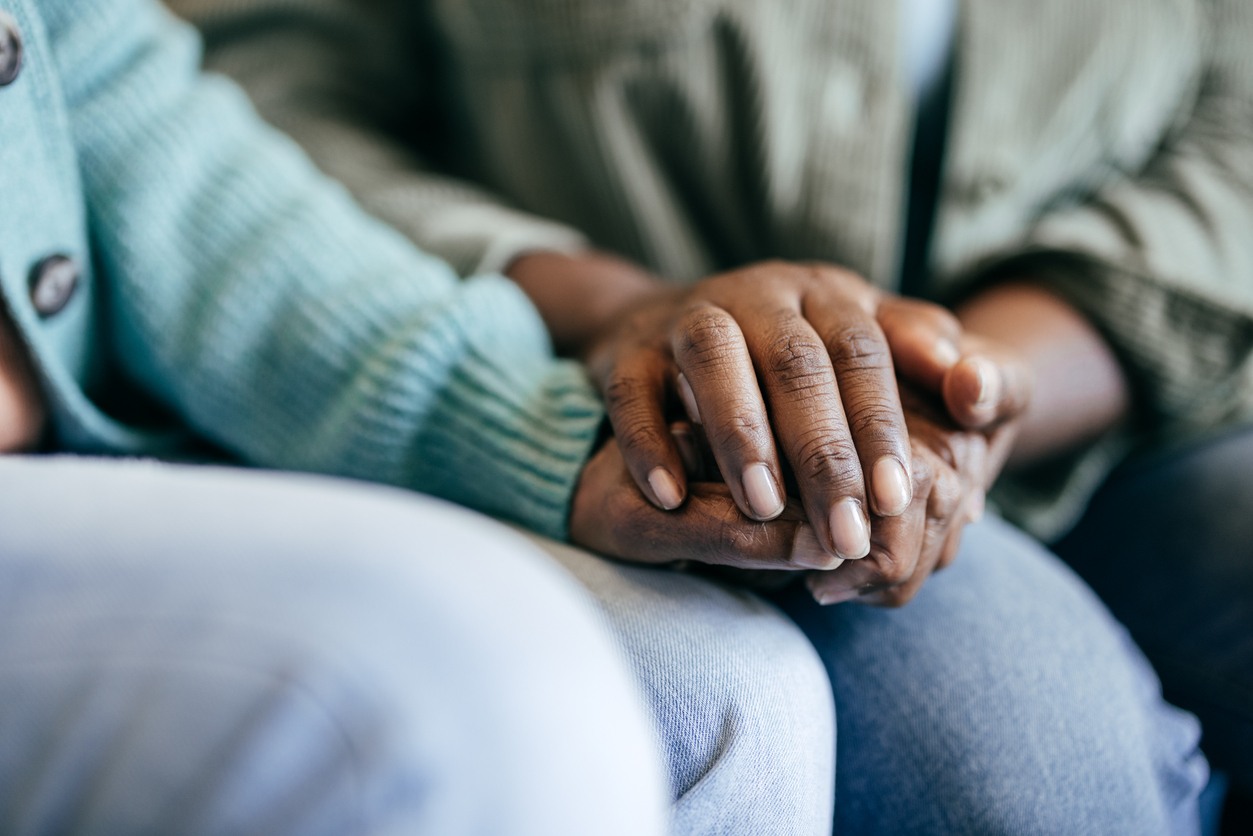
The Network comprises hundreds of mid-life and aging women who need to be seen, heard, and understood by our health care system. We have consistently led policy and public education efforts around health issues that disproportionately affect aging women, including women’s heart health, bone health screening and osteoporosis treatment, breast health, and lung health.
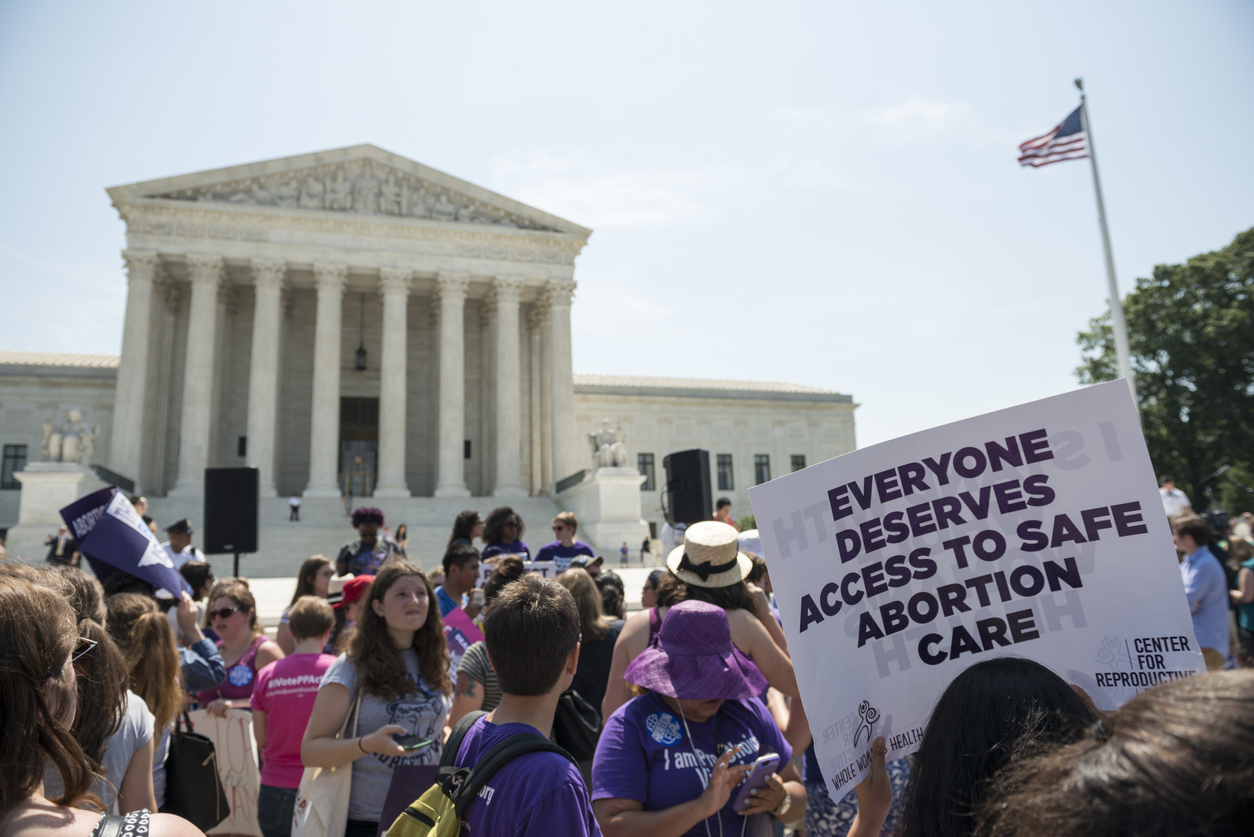
Since our first protest as outsiders on the steps of the FDA, we’ve become change-making insiders and frequently–invited testifiers in the halls of power regarding sexual & reproductive health issues.

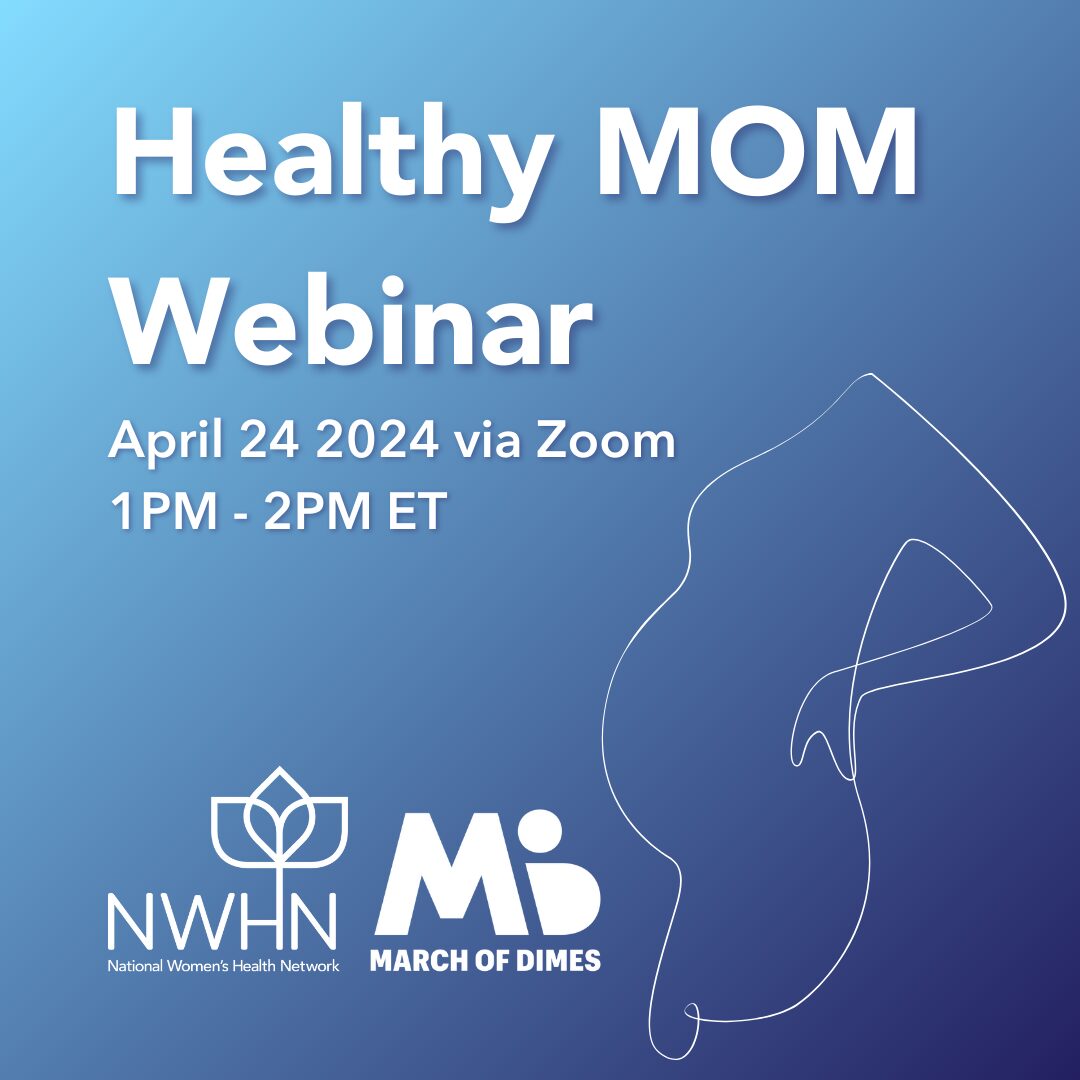
Join us for our free virtual Healthy MOM webinar April 10 at 2:30 EST to learn how we can all work together to prevent post-partum maternal death. Congresswoman Bonnie Watson Coleman (D-NJ) will be speaking.

We improve health by strategically shaping policy, expanding access, and providing accurate, unbiased information.
New ways to empower health care consumers across the nation.
“I think the NWHN is one of the strongest organizations working to educate and engage consumers about the ACA. I am grateful for your leadership and commitment.”
– Anton Gunn, Former Head, Office of External Affairs, US Department of Health and Human Services
Members across the nation who support our mission by providing annual gifts.
People reached to date with reliable public health information.
people so far have been better served by community-based reproductive justice organizations the NWHN supports.
2023
Charley the Abortion Chatbot – Charley was created by our Network partners to help people in all 50 states understand their abortion options. Charley keeps all information confidential, and everything it shares has been vetted by experienced public health professionals and legal experts.
Over-The-Counter Birth Control Pill – we worked with the FDA to see O-Pill, an oral contraceptive, moved from prescription-only to over-the-counter. This is a huge win for women because it is the first oral contraceptive to be available without a prescription.
Successful HEALTH Program Pilot – Five organizations successfully completed our HEALTH program, which empowers community-based reproductive justice organizations with grant dollars and professional development so they can make a difference in women’s lives.
2022
The HEALTH Program – Using lessons learned from the Raising Women’s Voices program, which ran from 2007 to 2021, the Network designed the HEALTH program to help grassroots organizations make change in the policy arena. Five community-based health centers will receive funding and technical assistance as part of the pilot launch.
The Consumer Health Education Program – Launched in 2022 to empower people to make better health care decisions by providing them reliable and up-to-date information on today’s most pressing health topics. The program achieves its ends by:
2021
Improved access to life-saving medication as the country braced for a post-Roe America. The NWHN’s #MailTheAbortionPill campaign to eliminate politically motivated and medically unnecessary restrictions on this safe and effective treatment paid off! Thanks to advocacy arguments and specific language crafted by the NWHN, the FDA permanently removed medically unnecessary access restrictions to the abortion pill in December of 2021. Most significantly, they removed the requirement that the pills be dispensed in-person, opening up telehealth and mail options to consumers.
2020
Launched the #MailTheAbortionPill campaign urging the FDA to lift its restrictions on mifepristone (the abortion pill) and allow clinicians to provide it to their patients through the mail and retail pharmacies. As part of this campaign, the NWHN:
2020
Armed the public with accurate, up-to-date information on the COVID-19 pandemic as information emerged about transmission, symptoms, and protective measures. We were one of the first organizations to:
The NWHN also analyzed vaccine safety information and produced widely quoted critiques of the failure to include enough Black and Indigenous volunteers.
2020
Forced Johnson & Johnson to stop selling hazardous talc-based baby powder in North America using grassroots advocacy tactics and by pushing for greater Congressional oversight. We also co-led an open letter with Black Women for Wellness condemning J&J’s decision to continue selling baby powder outside of North America.
2019
Protected patient autonomy over their birth control by creating a guide for state activists in partnership with the National Institute for Reproductive Health. The guide helped activists protect and advocate for patient autonomy as more states and private foundations created IUD-only programs. Our state and local partners in more than a dozen states used the guide in trainings for their staff.
2019
Kicked the fight for safe personal care products into high gear by expanding our earlier work on the issue into a full-fledged advocacy campaign. Toxic ingredients in makeup, hair dyes, baby powder, and other personal care products have been linked to numerous health problems — and Black women bear the brunt of the burden. But current federal law hobbles FDA oversight. To push for correction of this egregious negligence, the NWHN lobbied and educated members of congress, helped the House draft marquee legislation, and organized dozens of reproductive justice organizations to rally around this issue. These efforts paid off; Congress had a historic committee hearing where we testified, and is on the brink of passing corrective legislation. Further, Good Morning America, ABC News, and other news outlets widely covered our work.
2019
Our Dying from Red Tape campaign helped save health care for thousands by opposing “work requirements”, another one of Trump’s strategies to take people’s health care away. We assisted our state partners in gathering real-life stories to support legal challenges that were ultimately successful, blocking implementation of work requirements in all but one state.
2019
Although this app was cleared by the FDA, the FDA’s strong warning language about the app raises questions about the role politics may have played in this decision. The NWHN produces, hosts, and updates the most comprehensive informational materials available online about this app, warning the public about the limitations, comparative ineffectiveness, privacy vulnerabilities, and potential for abuse of contraceptive apps.
2018
In the fall of 2018, the makers of flibanserin (brand name: Addyi) threatened to take legal action against the NWHN unless we removed all Addyi-related materials from our website. We told them that legal threats wouldn’t stop us from providing accurate information about their product.
2018
When the then-FDA Commissioner Scott Gottlieb tried to defund the FDA Office of Women’s Health (OWH), the NWHN steped in to stop it. The NWHN helped organize a successful lightning-speed advocacy campaign to save the OWH, and Gottlieb was forced to back down within a week.
2017
We were instrumental in helping to defeat multiple Trumpcare proposals by bringing the voices of women, people of color, and LGBTQ people to the national debate. We kept this issue in the public consciousness all year by crafting compelling social media campaigns, talking points, and by consistently reaching out to the media. We published an op-ed in Rewire cautioning about the return of rape and domestic violence as pre-existing conditions under the GOP proposals. We also empowered grassroots activists by calling on our regional coordinator (RC) network to elevate their voices.
2017
We provided technical assistance for organizational development through the Working Against the Grain project for people of color-led groups. The Afiya Center in Texas and Trans Queer Pueblo in Arizona were standout successes. As a result of their increased organizational capacity supported by RWV co-founder Byllye Avery and NWHN staff, the groups started new programs to address the health needs of immigrants, strengthened state-wide organizing, and secured a policy win for Black mothers.
2016
The statement was drafted with input from multiple reproductive justice groups and was signed by over a hundred organizations. We also led multiple trainings for providers, policymakers, and activists around the country. Since its inception, the LARC statement of principles has helped providers and funders keep patient autonomy front and center and protect patients from coercive practices. Multiple providers and public health departments changed their provision of care in direct response to our work.
2016
Our efforts contributed to expansion in Louisiana, and to the increase in public pressure for expansion in Georgia, Maine, and elsewhere. And to make sure that Medicaid coverage truly meets women’s needs, we helped activists educate policymakers with our Women’s Health and Medicaid Waivers research brief.
2015
Since the establishment of the Affordable Care Act in 2013, a victory the NWHN had a large hand in securing, more than 6.3 million people gained coverage through private marketplace plans and millions more are covered through expanded Medicaid. Insurance rates were the lowest they had been in a generation, and all plans must cover women’s health needs, including screening tests, family planning and childbirth. No more treating women as pre-existing conditions.
2015
Distributed RWV’s health literacy guide, “My Health, My Voice: A Woman’s Step-by-Step Guide to Using Health Insurance,” to dozens of organizations serving thousands of people Later, we translated the guide into Spanish. “Mi Salud, Mi Voz: Una Guía Paso a Paso Para Mujeres Sobre Cómo Usar el Seguro Médico” is freely available online to help as many people as possible.
2014
We advocated for policies requiring that providers cover gender-affirming and contraceptive care. To make sure that individual states actually implemented these rules, RWV sponsored secret shopper studies. Our coordinator in Maryland documented that only 22% of listed ObGyns were able to provide care up to the new standard within 4 weeks. They shared these findings with compliance officials, which led to tougher enforcement by the state. The NWHN went on to fight against the Trump administration’s attempt to dismantle these protections and to allow hospitals and health care workers to discriminate against LGBTQ folks and people seeking abortion care.
2014
The NWHN’s multi-year campaign for more public disclosure of drug safety information yielded an important result: The FDA publishes first-ever information on women and people of color in clinical trials of new drugs in its Drug Trials Snapshots webpage. This new tool means more women can make more informed decisions about the drugs and products they use.
2013
We persuaded the FDA to limit the use of bisphosphonates, which caused previously rare fractures for women with long-term use of osteoporosis drugs. Unnecessary use of these drugs by healthy women also dropped due in part to our advocacy and education campaigns.
2012
Thanks to sustained advocacy efforts by NWHN’s collaborative project Raising Women’s Voices, the first wave of women got contraceptive coverage without copays in August. Despite opposition, eventually more than 60 million women were able to choose the contraceptive method best for them without worrying about expense.
2012
This award was in recognition of the NWHN’s campaign to educate women about the risks associated with menopause HT, which led to the largest-ever drop in breast cancer rates. More than 126,000 women did not get breast cancer over the last 10 years because the NWHN helped them avoid exposure to the drugs that would have caused it.
2011
The NWHN challenged this narrative by critiquing the growing number of companies seeking FDA approval for weight loss products on the basis of vague promises of “health improvement.” Pressed the FDA to hold these companies to stricter burdens of proof and encouraged the agency to acknowledge that health is possible at all sizes.
2010
The NWHN played a central role in shaping the provisions of the Affordable Care Act that address women’s health care concerns, including making basic care available to all women, regardless of sexual orientation, gender expression, or pregnancy status.
2009
Exposed pharmaceutical manufacturer Wyeth’s funding of Continuing Medical Education (CME) programs that presented distorted information about the safety and effectiveness of menopause hormone therapy.
2008
Grounded policy advocacy efforts in women’s personal health care experiences with more than 200 activists at our Hear Us Now! conference. Provided a platform for unheard voices in the health reform debate, and began working with grassroots regional coordinators, eventually expanding to more than 25 states.
2007
RWV is a national collaborative that supports quality affordable health care for all. We also held its first public activities, a series of highly popular and successful webinars. These webinars built the policy reform capacity of the women’s health community and relayed practical tips, tools, and training for effective engagement in the on-going policy debates.
2006
Rejoiced when the FDA finally agreed to make emergency contraception available over the counter to women 18 and older, a hard-won victory we helped win. The NWHN kept fighting the medically unjustified age restriction until it was finally removed in 2013.
2005
The coalition was one of the first gay women’s groups to conduct advocacy for health care reform at the state level, and acted as a flagship model for others.
2004
We brought together activists, historians, and leaders with expertise in health access for “Universal Access: Igniting Our Vision, Setting Our Course,” launching a decade-plus of sustained activism on health care for all.
2004
Research showed that nonoxynol-9 may increase risk of HIV infection when used rectally, and there was a lack of evidence that condoms treated with it offered any additional protection against pregnancy.
2003
We presented a critique of the medicalization of women’s sexuality at a debate attended by more than 1,000 physicians’, and continued to be a forceful voice for a holistic approach to women’s sexual concerns.
2002
The FDA required more safety study on the testosterone patch after the NWHN testified against approving testosterone as a sex drug for women. The manufacturer gave up rather than do a large safety study.
2002
Within weeks, the NWHN members generated thousands of letters to the White House, Dr. Hager (a noted anti-choice activist) withdrew, and a woman with solid scientific credentials was made the head of the committee.
2002
After the NWHN’s many years of cautioning against enthusiasm for the long-term use of menopause HT, the Women’s Health Initiative results showed that HT does not prevent heart disease, increase energy, prevent memory loss, improve mood, or prevent Alzheimer’s disease. In fact, the results showed that HT increases the risk of stroke and in some cases, breast cancer.
2001
Although this medical advance still eludes us, we helped the world understand that HIV affects women too. Our agitation also sparked a global movement to make drug trial designs safe and ethical for all.
2000
The NWHN finally persuaded the FDA to approve the abortion pill (mifepristone) after a decade-long advocacy campaign to overcome political opposition to this safe form of abortion care.
1999
This was and continues to be one of the only websites online offering independent information on women’s health and related advocacy to consumers and providers across the country.
1998
We were able to show that using this treatment preventatively put women at risk of severe side effects such as uterine cancer and blood clots that often outweighed the benefits. Our views were widely covered, including on Good Morning America, and resulted in the appropriate use of the drug by a relatively small group of very high-risk women.
1997
Protected pregnant women from the risk of heart damage and sudden death by successfully pressing the FDA to require doctors not to use risky pre-term labor drugs outside the hospital. We were sued by the manufacturer of one of these drugs for our trouble, but were successfully defended by the ACLU.
1996
Highlighted the disparities in survival experienced by women of color by distributing the first-ever consumer health information on breast cancer and African American, Latina, Native American and Asian American women. Our efforts built considerable momentum for targeted outreach programs.
1995
We celebrated when domestic violence was widely recognized as a public health issue and incorporated into the training of health professionals, thanks in large part to the NWHN’s advocacy efforts.
1994
Our education campaign, “Abortion and Breast Cancer: Get the Facts,” and scientific review of the data presented in “Abortion and Breast Cancer: The Unproven Link,” galvanized the opposition and resulted in the ads being pulled.
1994
The Study of Women Across the Nation (SWAN) enrolled more than 3,000 women, and has resulted in nearly 500 publications providing essential information enabling women and their doctors to understand what is normal, and how that’s different across race and ethnicity.
1993
Joined forces with hundreds of groups to push for advocate involvement in breast cancer research, leading to the National Action Plan on Breast Cancer and greater emphasis on the environmental links to breast cancer.
1992
18 years later, studies finally document Breast Implant Illness, validating women’s reports of autoimmune conditions associated with silicone gel-filled implants.
1992
The hearing, “Scientific Misconduct in Breast Cancer Research trials,” caused the National Institute of Health to revise their informed consent rules for government-funded clinical trials. This ensured that volunteers going forward would be given complete information about any serious and potentially fatal risks associated with study drugs.
1991
The WHI enrolled more than 27,000 women in clinical trials of menopause hormone therapy, which led to stunning results in 2002. The results showed that HT does not prevent heart disease or Alzheimer’s and increases the risk of blood clots, and in some cases, breast cancer.
1990
We also demanded that the FDA require evidence from placebo-controlled trials, as it had for all drugs approved for prevention in men (including baby aspirin!). As we feared, the subsequent evidence showed that HT did not work as advertised, and could in fact increase risk for blood clots and stroke.
1990
The study included more African American women than any previous study of its kind. The study later found that long-term use of the pill does not increase the risk of breast cancer.
1989
Exploded the myth that women are at low risk of HIV infection by distributing hundreds of thousands of copies of our brochure, “AIDS: What Every Woman Needs to Know.”
1988
The NWHN also persuaded the FDA to allow feminist clinics and individual practitioners to offer the cap safely during the study period.
1987
The Dietary Modification Trial was the very first breast cancer prevention trial to examine the effect of a low-fat diet on breast cancer. Our grassroots campaign garnered widespread media and Congressional attention, and 48,835 women eventually volunteered for the 8-year-long trial.
1986
After hearing testimony about the results of our survey, Congress required Medicare to cover mammography screenings.
1985
The campaign was sponsored by a national nurses’ professional association, but was in fact scripted by the drug company’s PR firm.
1984
This legislation was ultimately established as a federal right in the Health Insurance Portability and Accountability Act (HIPAA) of 1996.
1983
Led by board member Byllye Avery, the NWHN sponsored the first national conference on Black women’s health. This conference led to the founding of the National Black Women’s Health Project, now the Black Women’s Health Imperative.
1982
Appointed to the FDA’s Tampon Standards Committee which eventually led to safer products with standardized labels.
1981
The exposé sparked Congressional hearings and enabled pregnant women to make more informed decisions about their obstetric care.
1981
As these policy initiatives progressed, the NWHN put the word out to women and health workers at home and abroad to stop using the dangerous device.
1980
More than 300 women and one man participated in the program (now known as the Helen Rodriguez-Trias Leadership Development Program), which now receives continuous support via an endowed gift in remembrance of Eunice Corfman.
1979
The NWHN’s efforts ultimately led to several large studies that provided more certainty about the benefits and risks of the contraceptive, which was approved in 2004.
1978
Adopted the policy not to seek or accept funding from drug companies, medical device manufacturers, other organized medicine groups, which continues to this day.
1978
We supported these groups and activists via policy advocacy and direct action, including a mother and baby sit-in at HHS. The NWHN was one of the few national women’s organizations at the time to support sterilization abuse regulations.
1977
After years of pressure from the NWHN’s founders, the FDA issued a final regulation requiring manufacturers to print and pharmacists to distribute patient package inserts for estrogens that clearly delineated the risks and benefits.
1976
The clearinghouse provided in-depth information packets on more than 80 topics to hundreds of thousands of people for more than 30 years before the NWHN switched over to digital methods of information distribution.
1975
The service recognized the lives of women unnecessarily lost because they didn’t have the information they needed to identify complications caused by the pill and menopause hormone therapy. The memorial inspired policy change at the FDA as well as waves of direct action by later generations of patient activists, including people living with HIV.
The NWHN has a powerful team of providers and health policy experts who stand ready and waiting to help you turn around that breaking news story or deep dive article. Request a quote or interview today here: